

- US$83.4B Total trade between the U.S. and Africa
- 2,968,817 Total African-born population in U.S.
- US$56B Total U.S.-Africa FDI
01 — The kickoff
More Than
a Match
Where soccer meets trade, innovation, and opportunity. A story about how Africa and the 2026 World Cup host countries – the United States, Canada, and Mexico – have a history of strong connections that extend beyond the field.
02 — The stat sheet
The World Cup will put a spotlight on the world's best soccer players. And for the first time, 10 African countries qualified meaning the continent accounts for a fifth of 2026 qualifiers.
What many don't realize is that North America and Africa have long been working side by side through trade partnerships, educational and cultural exchanges, and innovative collaborations – a quiet but powerful relationship that runs well beyond the soccer field.
So before taking the field, let's set the scene.
The stat sheet
- CA$18.3B Total trade between Canada and Africa
- 821,735 Total African-born population in Canada
- CA$1.8B Total Canada-Africa FDI
- US$3.23B Total trade between Mexico and Africa
- 1,667 Total African-born population in Mexico
Fourteen of the sixteen host cities already share sister city ties with African communities, proof that the connection toward something bigger has been in the works for years.
The Sister City Connection
Even national and global security objectives have benefited from a growing roster of North American and African teamwork.
Did you know?
In the United States, coordinated partnerships, like the National Guard's State Partnership Program (SPP), have strengthened relationships and shared best practices that enhance security cooperation as well as disaster and humanitarian response. To date, 20 African countries have been paired with 20 U.S. states on the SPP alone, building connections and capacity to advance peace and stability.

03 — The opportunity ahead
If the opportunity is clear, why is North America leaving so many chances on the field?
For some nations, limited infrastructure constrains access to markets. Ports, roads, rail, and direct air routes remain underdeveloped. Getting goods from Africa to North America can be genuinely hard.
But it's not impossible. And across the continent, authoritarian regimes like China and Russia are finding ways to invest, quickly gaining preferential treatment. It's through partnerships with democracies in regions like North America that African nations can find partners who will approach business on an even playing field transparently, ethically and with respect.
Working with governments and leveraging the talents of the private sector in both Africa and North America, trade relationships can be deepened, connections bolstered and economic ties expanded. Our nations have the know-how for business, and the skills to make it happen.
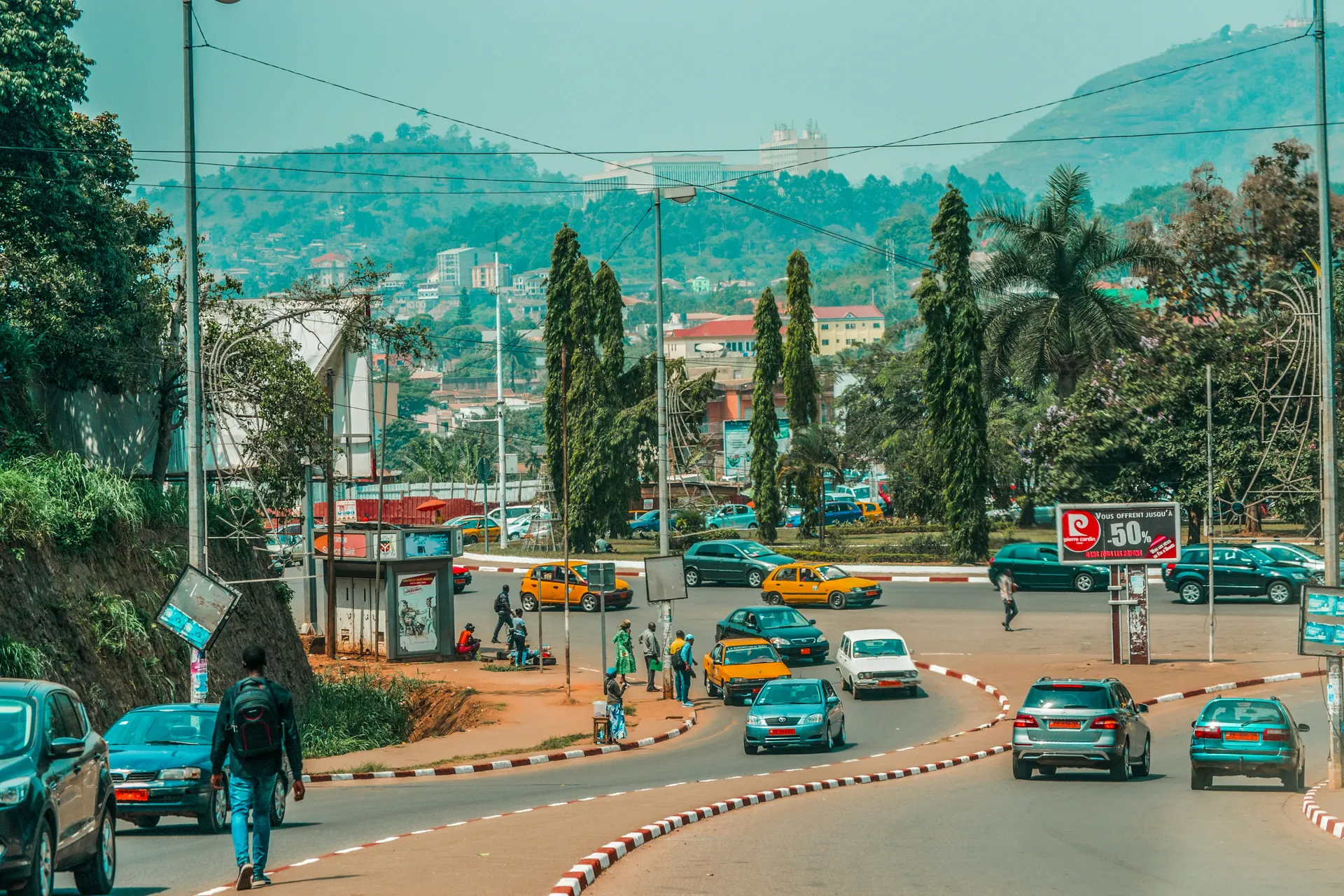
North America and Africa have already made some great plays, especially when it comes to things like trade.
04 — The lineup
What flows where
How do we take the (economic) game to the next level?
Believe it or not, the structure is already there. Africa and North America enjoy trade and investment relationships that can be significantly scaled up. What relationships?
These ↓
States across the country benefit from U.S. imports from Africa
U.S. imports from Africa by state in 2025
Texas and Louisiana lead U.S. exports to Africa
U.S. exports to Africa by state in 2025
U.S. and African economies invest in each other
Investment flows in both directions and the opportunity to grow them is real on both sides
Canadian imports from Africa are concentrated in Ontario and Quebec
Canada imports from Africa by province and territory in 2025
Canadian exports to Africa span the country
Canada exports to Africa by province and territory in 2025
Canadian and African economies invest in each other
Canada's investment in Africa is modest and the opportunity is enormous
Ciudad de Mexico leads Mexican states in imports from Africa, but the benefits of trade are spread throughout the country
Mexico imports from Africa by state in 2024
Ciudad de Mexico leads Mexican states in exports to Africa, but the benefits of trade are spread throughout the country
Mexico exports to Africa by state in 2024
South Africa dominates Africa's investment footprint in Mexico
The groundwork is there. But the potential goes well beyond existing trade and investment…
05 — The African connection
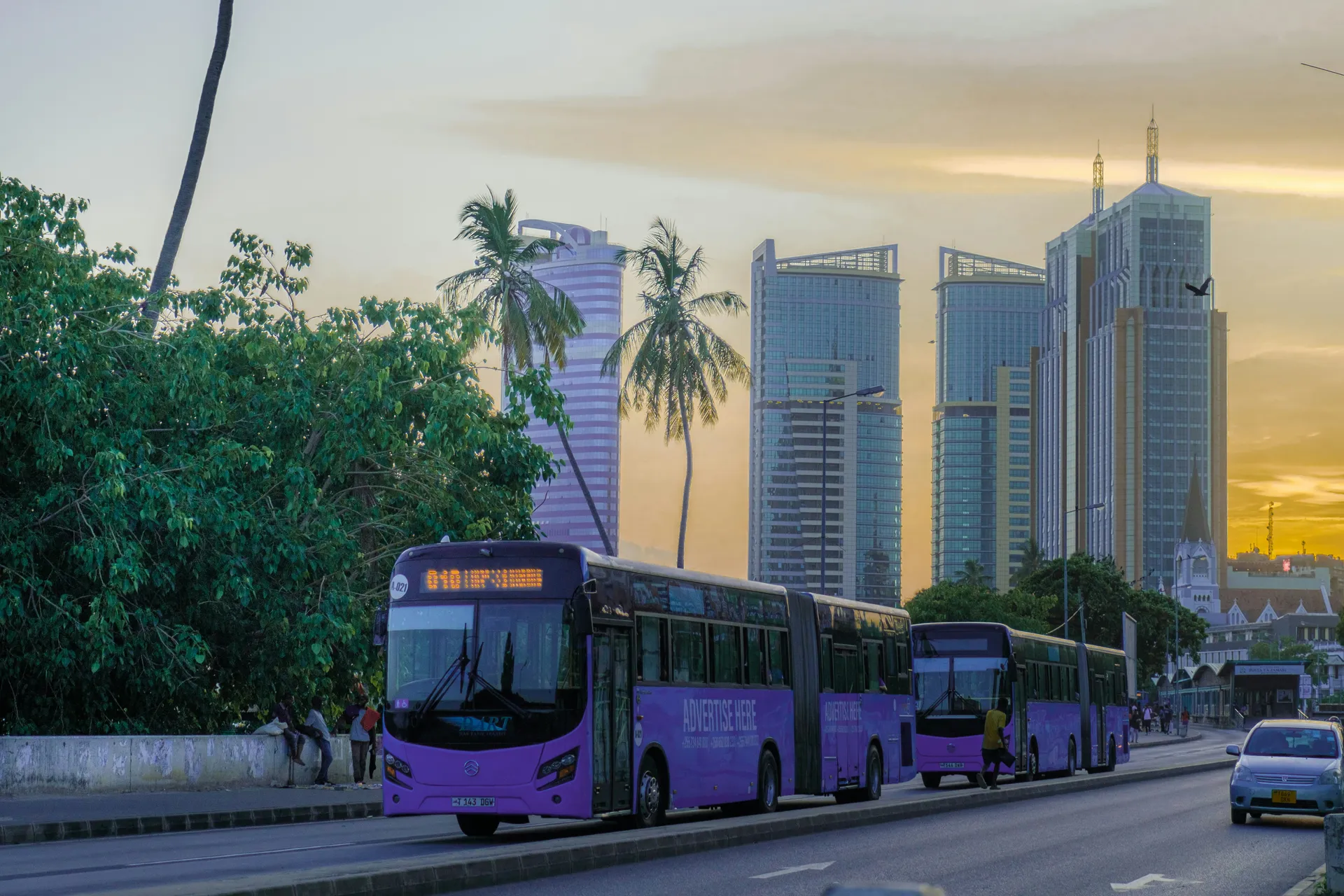
4.6 million first-generation African diaspora live across the three host countries. But their talent is an underleveraged asset in the relationship between the continents. These communities already bridge the cultural, linguistic, and commercial gaps and can facilitate trade.
African fans arriving for matches will land in cities where some already have community. But the diaspora's value runs deeper than familiarity. African immigrants contribute to the economy, pay taxes, and fill critical gaps in the labor force.
The states and provinces with the largest African-born populations consistently show stronger trade ties with Africa. Quebec trades steadily with Francophone Africa; its African-born population is now approaching Ontario's. Saskatchewan's Prairie diaspora growth mirrors its export leadership.
And it's not just trade flows. African-born professionals are highly represented in the STEM fields – medicine, engineering, software – that drive long-term economic competitiveness. Their presence doesn't just fill jobs, it creates them.
These diaspora contributions correlate with meaningful economic development. While that doesn't necessarily mean causation, the pattern is too consistent to ignore. The question isn't whether the diaspora is an economic asset. It's whether North American policymakers are ready to treat it like one.
But that's not all, Africans have been choosing to visit North America for tourism, education, and business for years.
First-generation African diaspora communities are thriving throughout the United States
View residents by state
African tourists contribute to the economies of every U.S. state
Visitors by state in 2024
First-generation African diaspora communities are present throughout Canada, with larger concentrations of people living in Ontario and Quebec.
View residents by province and territory
Ontario and Quebec lead the way but African visitors are showing up across the country
Visitors by province and territory in 2024
Africa's contributions shape our daily lives in ways most people have yet to fully recognize, and a growing number of places are stepping up to change that.
06 — The frontrunners
It's clear some places aren't waiting.
Their strategies offer a blueprint for what others could do.
Right now, Texas exports to Africa result in billions for the Lone Star State.
Follow the money, and you keep landing in the same places: Texas, New York, New Jersey, California.
What do they all have in common? They are World Cup hosts! These states also benefit from trade with Africa. Others could realize these gains, too, by pursuing a stronger economic relationship with Africa.
California, United States
California does $4B in two-way trade with Africa and has over 200,000 African-born residents, firmly woven into the state's economy and population. When matches are held here, the connection won't need to be manufactured…it's already on the field.
Mexico City, Mexico
A prime stadium for economic, political, and cultural engagement, Mexico City serves as team captain for Mexico's relationship with African countries. Enhancing connection, cooperation and bilateral relationships, the city serves as a regional hub to a growing roster of African companies and diplomatic missions. Already a major playmaker when it comes to investment and trade especially, the Greater Mexico City area also hosts the first and only African air cargo carrier operating in Mexico, bolstering critical access to regional and global markets.
New Brunswick, Canada
New Brunswick doesn't have Quebec's size or resources, but it's running a similar playbook. A substantial Francophone population, an explicit government strategy to engage Africa, and CA$2.2B in imports that most people would never expect from a province this small.
New Jersey and New York, United States
New York and New Jersey will host the final match and have the infrastructure to back up the spotlight. The Port of New York and New Jersey are the largest containerized cargo port on the East Coast, and New Jersey alone pulls in US$9.7B worth of goods for American consumers.
Quebec, Canada
Quebec has something most provinces don't: a real strategy for trading with French-speaking Africa. The language helps. So does a growing Francophone African diaspora that already has the networks and relationships no trade mission can replicate. While Quebec doesn't host a World Cup match, its approach is the model other provinces and states should study.
Saskatchewan and Alberta, Canada
Two of the provinces that make up the Prairies aren't at the top of the table, but they probably should be. Saskatchewan is pushing CA$1.7B in exports to Africa. Alberta has nearly 120,000 African-born residents, one of the largest diaspora communities in the country. Two different advantages, both underutilized.
Texas, United States
Texas has the energy infrastructure, one of the largest African diaspora communities in the country, and direct trade corridors into West and North Africa. When a state actually commits to the relationship, this is what it looks like.
Some states and provinces are leading the way, but unlocking the true value of this relationship will demand commitment and collaboration at every level.
07 — Final whistle
More Than
a Match
The match on the field lasts 90 minutes, but the partnership it represents has the potential to go much further. The question is whether North American businesses, policymakers, and communities will choose to strengthen what's already there so that both teams win when the final whistle blows.